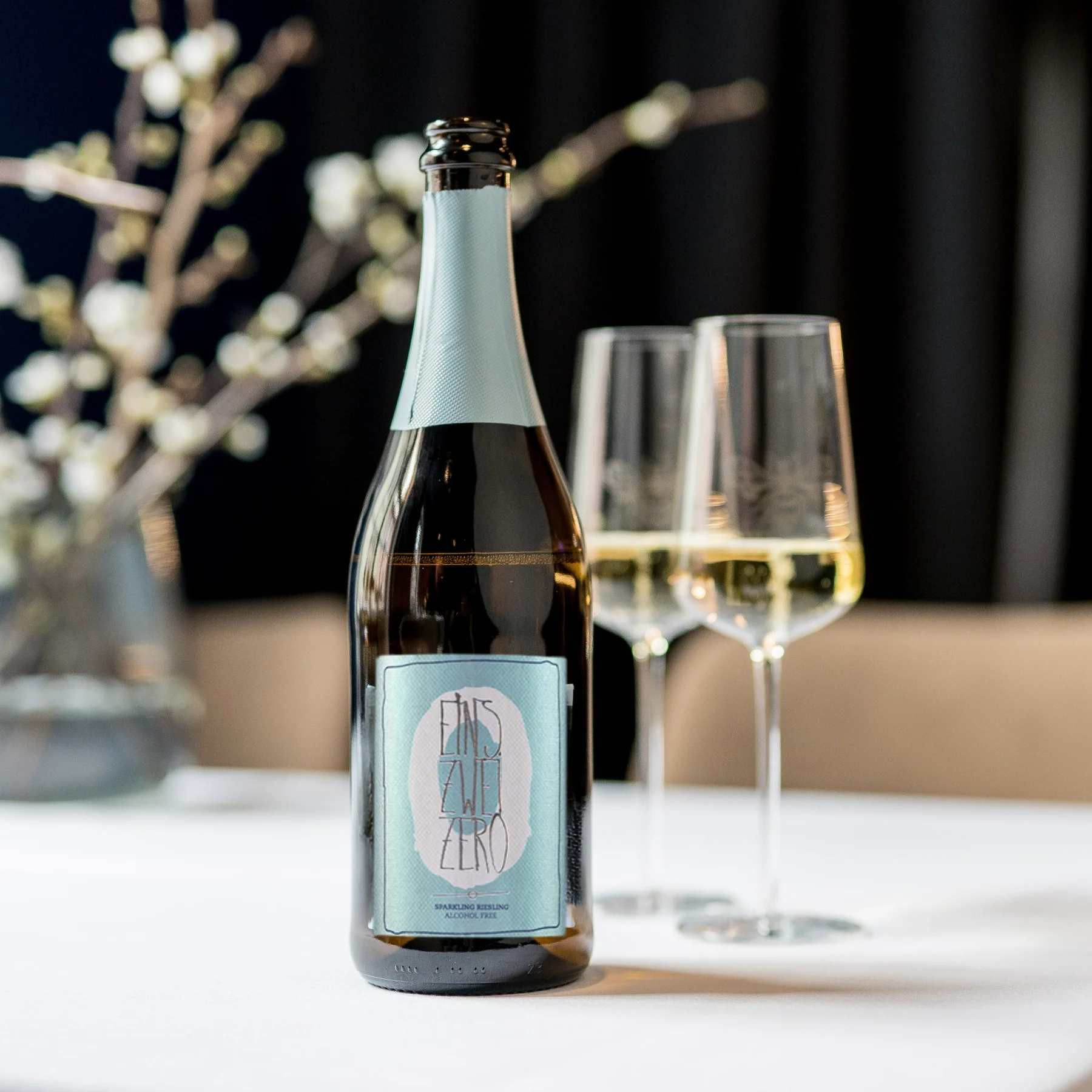
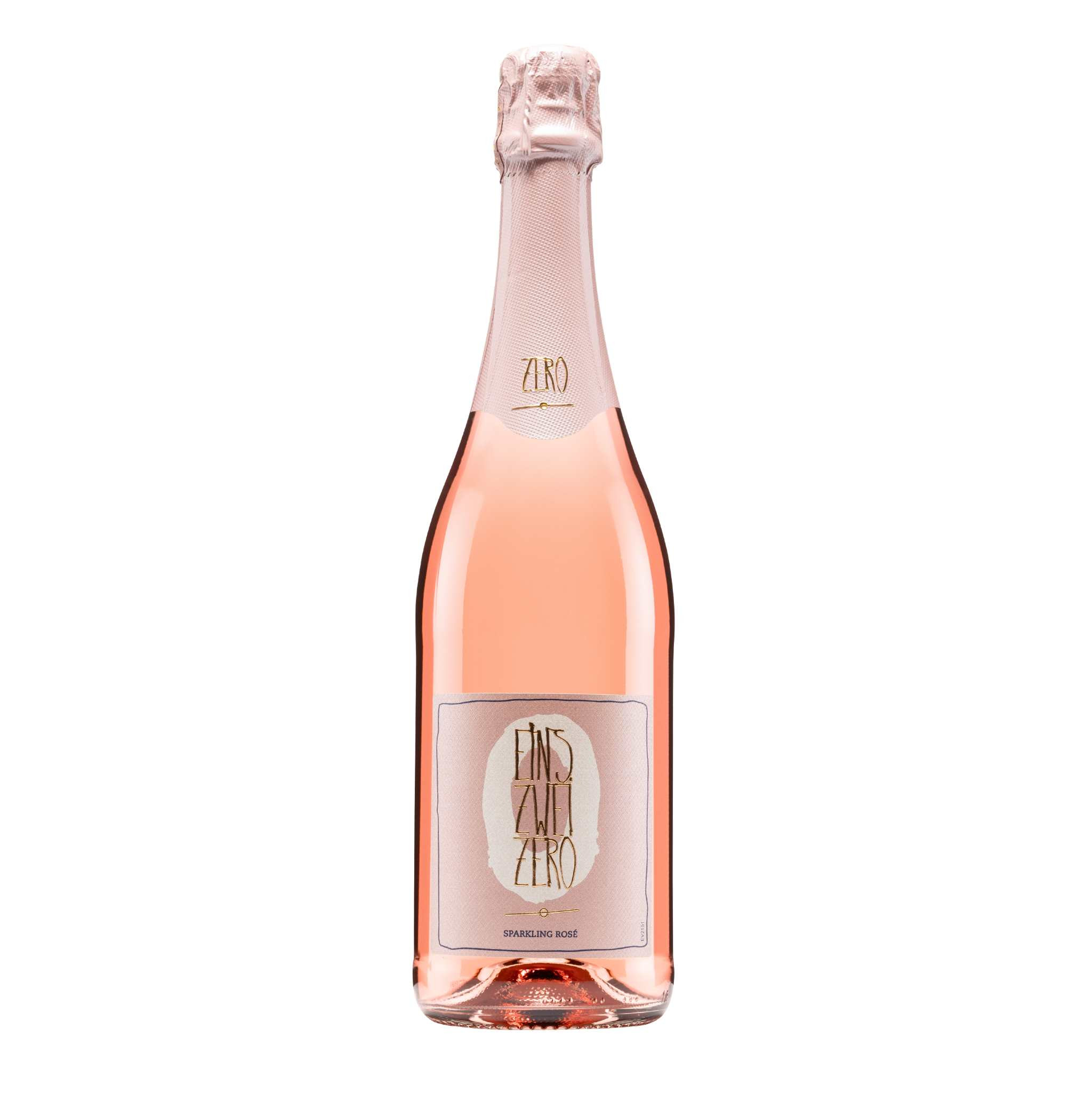
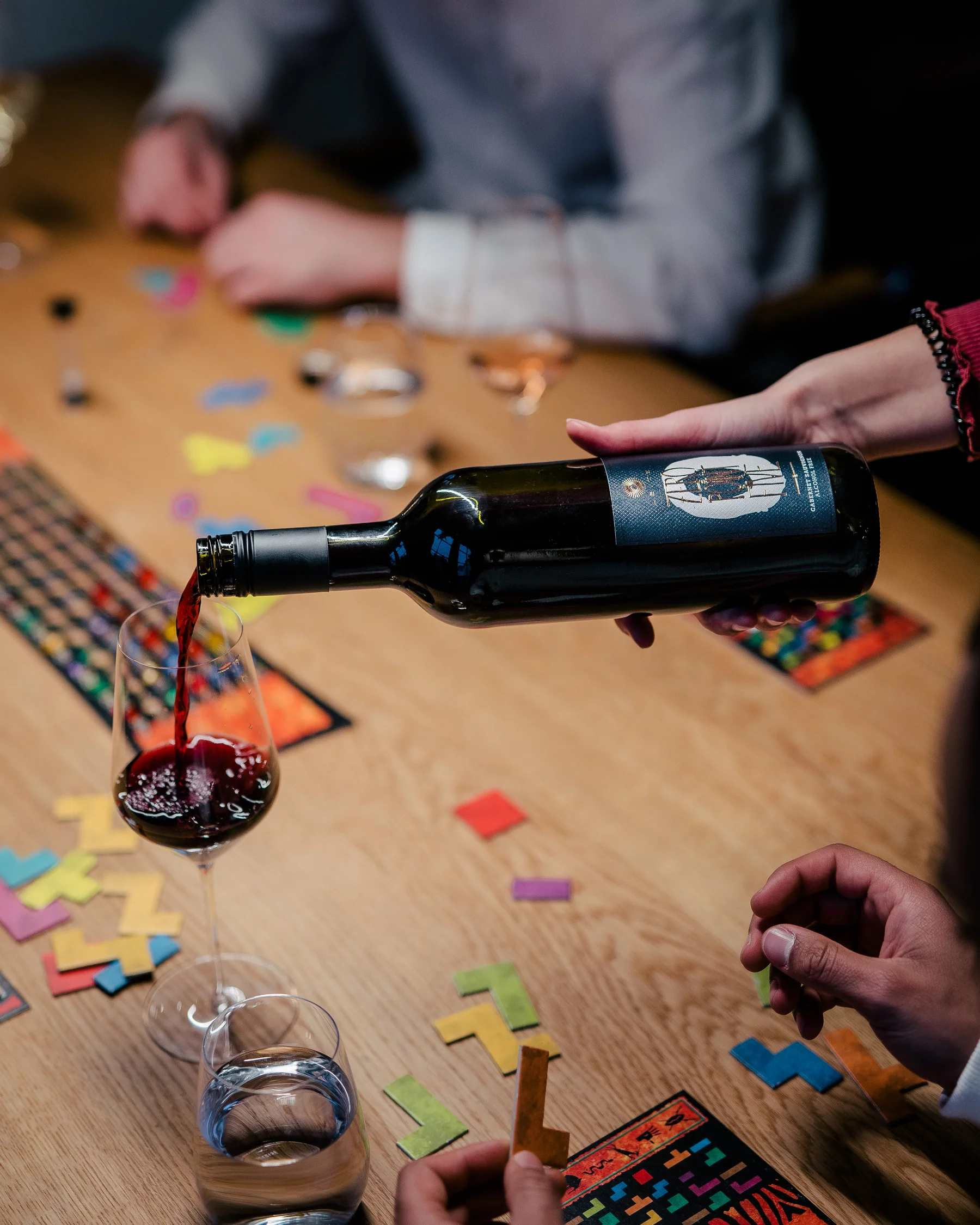
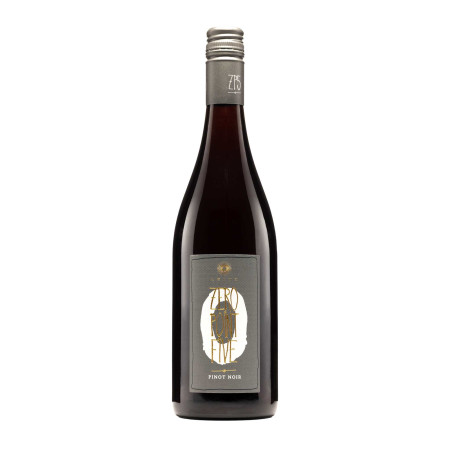
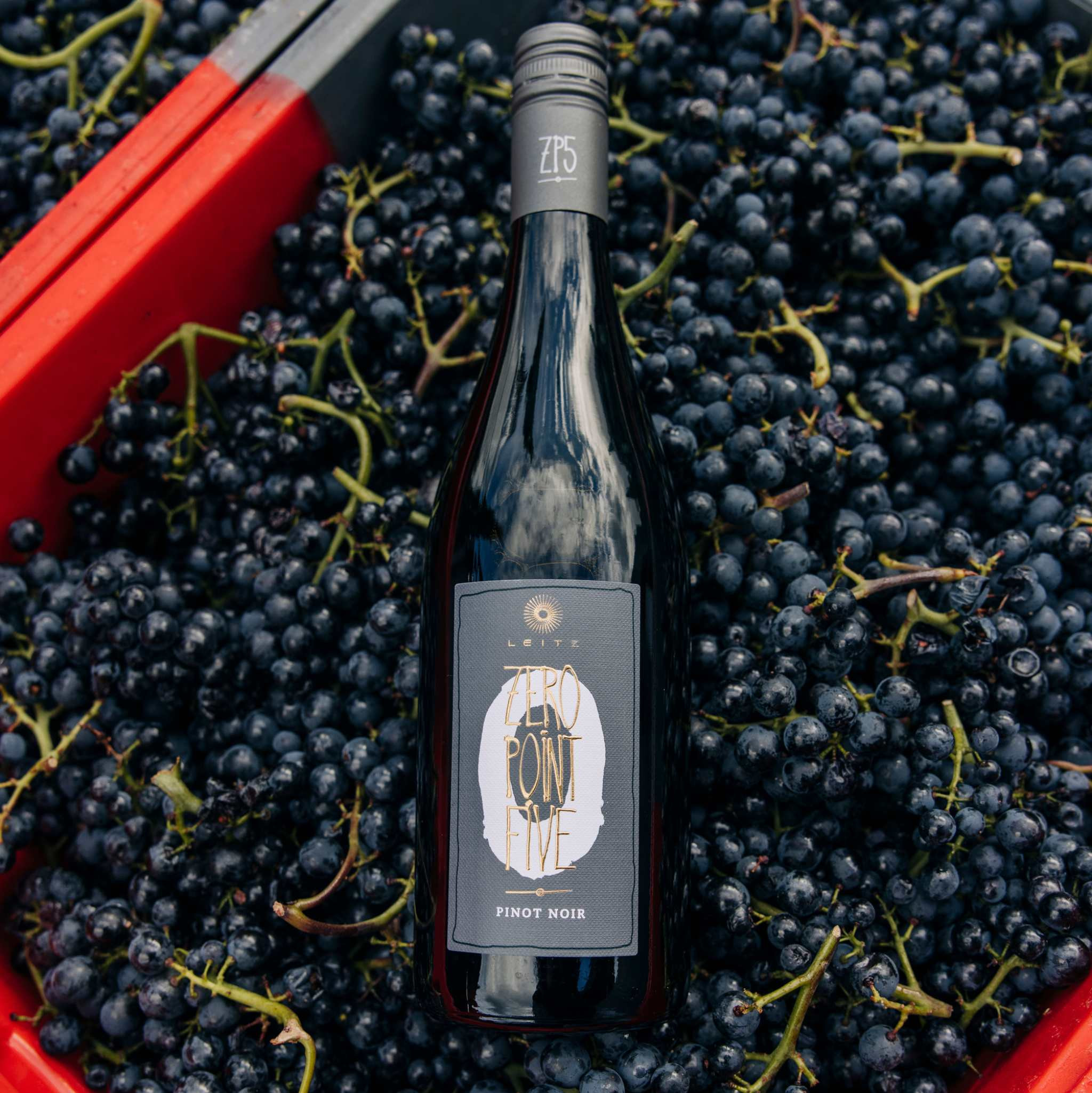
Based in Rüdesheim am Rhein, in Germany's Rheingau region, the Leitz family's winemaking history goes back to 1744. The estate as it exists today is really the work of one man: Johannes Leitz took over a modest 2.6-hectare family inheritance in 1985 at 21 years old, after his father's early death, and built it into a roughly 90-hectare operation across the Rheingau, plus 18 hectares of steep-slope vineyards in Rüdesheim itself. Johannes was named "Winemaker of the Year" by Gault Millau in 2011.
The estate's core terroir is the Rüdesheimer Berg — steep, south-facing slopes with meagre, rocky soil: quartzite and slate rubble, with pockets of red slate. These vineyards are part of the UNESCO World Heritage Upper Middle Rhine Valley, and Leitz has worked with conservation authorities to restore old abandoned terraces there.
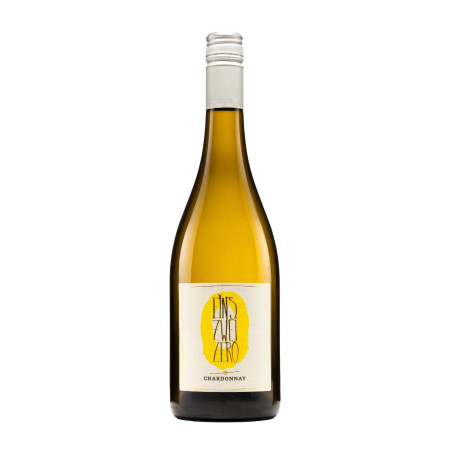
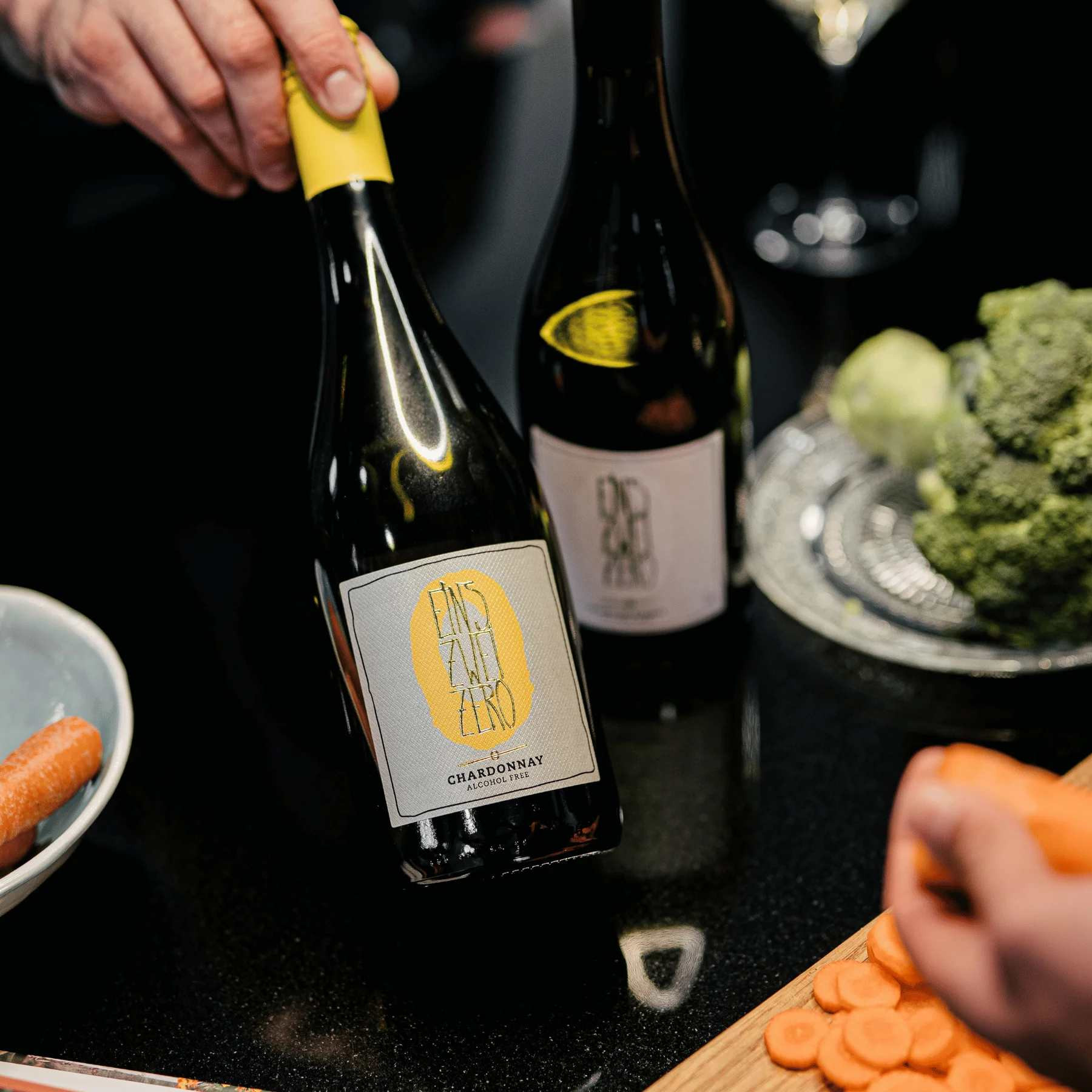
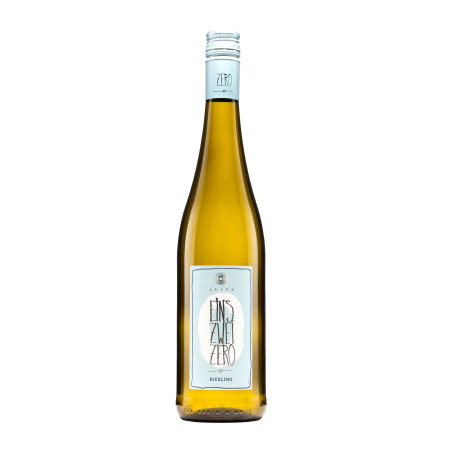
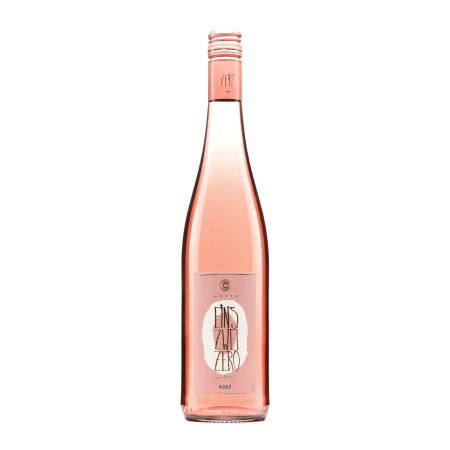
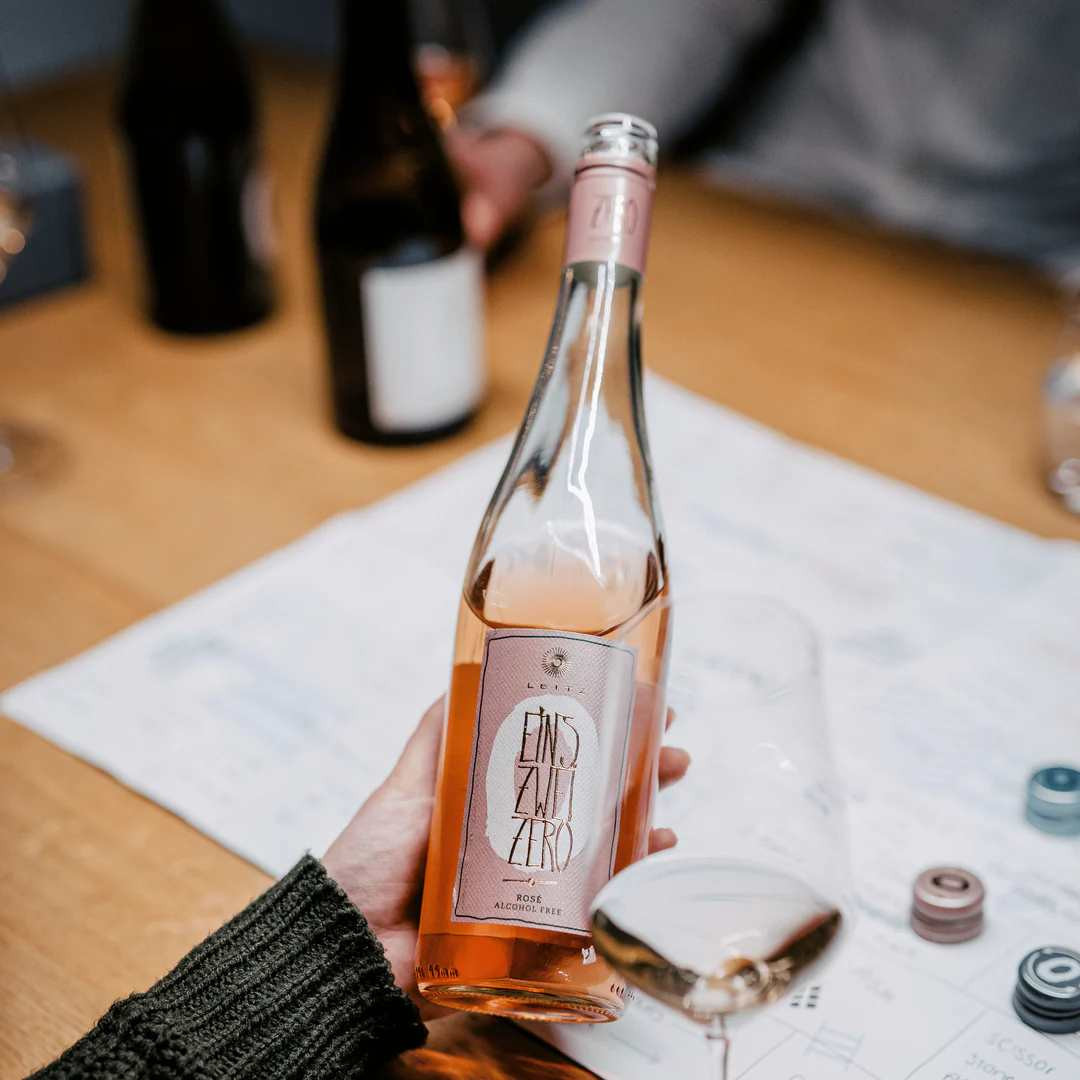
A nice regional detail for storytelling: Rüdesheim is arguably the birthplace of dealcoholization itself — winemaker Carl Jung invented vacuum distillation there in the early 1900s, patenting the process in 1907, decades before "alcohol-free wine" was a category. Leitz's alcohol-free line, launched in 2007, sits on that local legacy rather than importing outside technology.
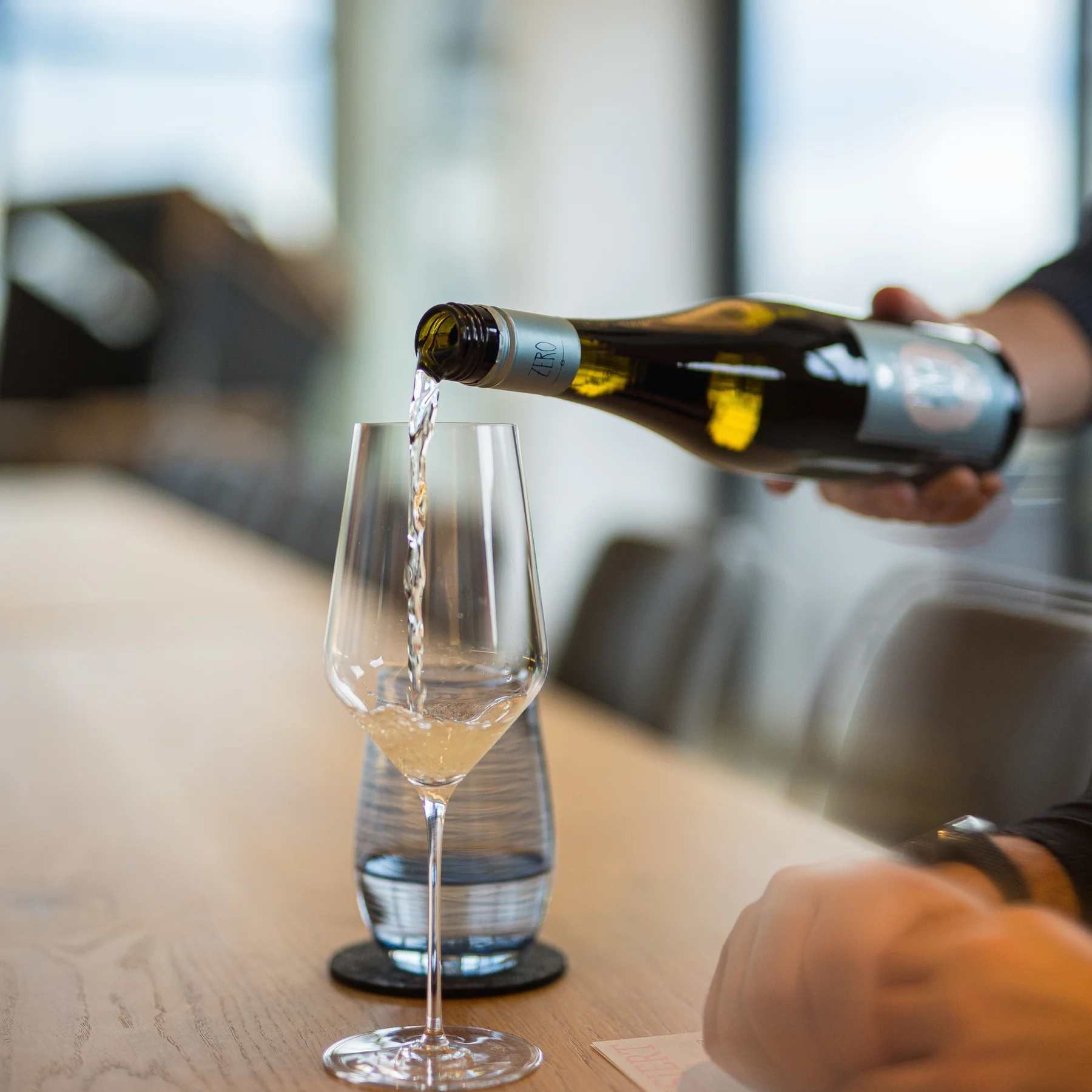
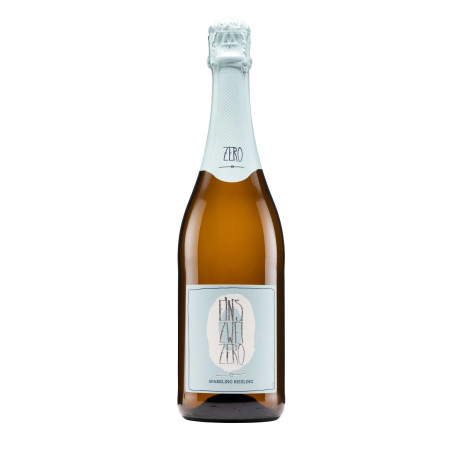
Dealcoholization method across the range: vacuum distillation — the finished wine is gently heated to around 27°C in a vacuum evaporator, which pulls out the alcohol while the aroma compounds stay largely intact. For the sparkling wines, carbon dioxide is reintroduced after distillation to restore the fizz.