
For more than a century, alcohol has been one of the safest bets in business. Companies such as Diageo (founded...
Blog Search
Latest posts
-
 The Quiet Shock in the Alcohol IndustryRead more ...
 -
 The Social Alchemy of Alcohol: From Ancient Bonding to Risk SpiralsRead more ...
Alcohol has been an integral part of human culture for millennia, acting as both a foundation for civilization and a...
-
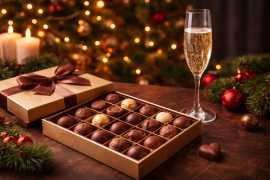 Chocolate and Sparkling Wines: Consider this before pairing!Read more ...
It’s the time of year when chocolate and sparkling wines become symbols of gifts, pleasure, and undeniably good...
-
 Dry November 2025 – How is it in Hungary?Read more ...
I decided to look into all the articles recently published in Hungary about Száraz November (Dry November).So here is...
-
 Why Epicurea?Read more ...
Because the alcohol-free revolution couldn’t start in Hungary. It had to be imported.
Popular posts
-

-
Dry November 2025 – How is it in Hungary?I decided to look into all the articles recently published in Hungary about Száraz November (Dry November).So here is...Read more ...
-
Chocolate and Sparkling Wines: Consider this before pairing!It’s the time of year when chocolate and sparkling wines become symbols of gifts, pleasure, and undeniably good...Read more ...
-
Why Epicurea?Because the alcohol-free revolution couldn’t start in Hungary. It had to be imported.Read more ...
-
The Social Alchemy of Alcohol: From Ancient Bonding to Risk SpiralsAlcohol has been an integral part of human culture for millennia, acting as both a foundation for civilization and a...Read more ...
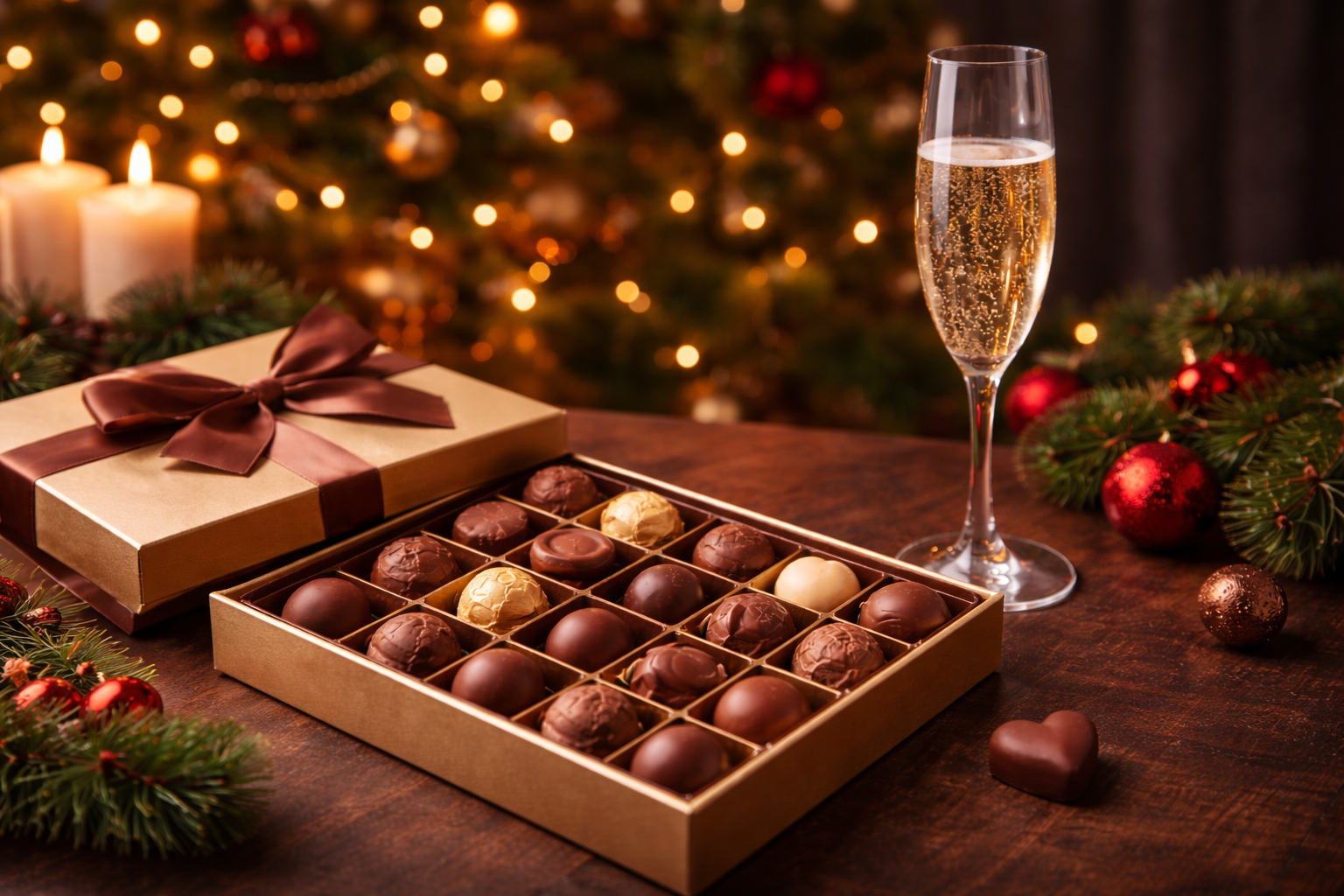
Chocolate and Sparkling Wines: Consider this before pairing!
It’s the time of year when chocolate and sparkling wines become symbols of gifts, pleasure, and undeniably good taste. They signal celebration, refinement, and indulgence. What is not to like about that?
Hold on a second. Before we fully let ourselves indulge, let’s take a short moment to consider a few warnings and recommendations that may help us enjoy these moments even more.
Not to ruin the pleasure, but actually to enjoy more of it.
Reflux: when chocolate and alcohol work together (and shouldn’t)
If there is a country that understands both high-quality chocolate and fine alcoholic beverages, it is Belgium. That makes Belgian medical commentary on this topic particularly fitting.
In a 2025 article on reflux, Belgian gastroenterologist Prof. Sébastien Kindt explains that alcohol, fatty meals, and chocolate all affect the lower esophageal sphincter (LES), the muscular “valve” that normally prevents stomach acid from flowing back into the esophagus
https://www.plusmagazine.be/fr/sante/reflux-et-brulures-destomac-les-symptomes-a-reperer/
According to Prof. Kindt, alcohol relaxes this sphincter, while chocolate and fatty foods contribute to weakening it and prolonging stomach pressure. When the LES is relaxed, acid reflux becomes more likely, especially after large meals
Hungarian gastroenterologist Dr. Molnár Péter echoes this view in Hungarian medical commentary, noting that heavy, fatty foods, alcohol, and chocolate are classic triggers of reflux-like symptoms, particularly during festive overeating. For patients with reflux, these foods are often explicitly discouraged
http://www.harmonet.hu/szepseg-wellness/69410-ezt-a-betegseget-sokan-nem-veszik-komolyan,-pedig-nagy-bajt-okozhat!.html
The key point is that cocoa and alcohol act in tandem, pushing the same physiological mechanism in the same direction, exactly when we would prefer the opposite.
Increased gastric acid: a second, separate stressor
Beyond the sphincter itself, alcohol introduces an additional challenge: gastric acid secretion.
Clinical research shows that fermented alcoholic beverages, including wine, can stimulate gastric acid production
https://pubmed.ncbi.nlm.nih.gov/9155575/
https://www.jci.org/articles/view/3620
This means that while the sphincter may already be relaxed, the stomach may also be producing more acid at the same time.
This is a different mechanism from the LES effect, but the outcome is similar: more irritation, more discomfort, and a higher chance of heartburn, particularly in the evening, when meals are larger and bedtime is closer.
Gastric motility: when digestion slows down
Holiday chocolate is rarely eaten alone. It often arrives after a copious dinner, rich in fats, proteins, and sauces, sometimes late at night.
Fatty meals are known to slow gastric emptying, meaning food stays in the stomach longer. Alcohol can further interfere with normal digestive motility
https://www.xiahepublishing.com/m/2994-8754/JTG-2024-00028
The result is prolonged stomach distension and pressure, again increasing the likelihood of reflux and discomfort.
In short:
large meal + fat + chocolate + alcohol + late hour
is simply not a gentle scenario for digestion.
The sugar issue: a responsible word of caution
Not all chocolate is created equal.
High-cocoa dark chocolate can be a genuine delicacy with well-documented benefits. However, most festive chocolate gifts today consist of highly processed chocolates with significant sugar content.
When a high-sugar food is combined with alcohol, the body may face a “double hit”, consisting of:
-
a rapid glucose load from sugar
-
altered glucose regulation after alcohol consumption
Scientific studies show that alcohol can impair normal post-meal glucose handling and insulin sensitivity
https://pubmed.ncbi.nlm.nih.gov/22648716/
https://pmc.ncbi.nlm.nih.gov/articles/PMC8499260/
This does not mean chocolate and wine are dangerous. However, for people with insulin resistance, prediabetes, or diabetes, this is something worth keeping in mind.
Therefore, moderation remains a sensible recommendation.
A gentler alternative: same ritual, lighter impact
Interestingly, professional chocolatiers already provide useful guidance on this topic.
According to La Maison du Chocolat, a general rule for chocolate pairings is that the wine should be sweeter than the chocolate, particularly when pairing with chocolates containing fruit or nuts
https://www.lamaisonduchocolat.com/en_us/chocolate-wine-pairing
For us, that advice carries an additional insight. Why not embrace the natural bitterness of chocolate, rather than overpowering it with excessive sweetness? The result is often a more balanced and enjoyable pairing.
And what about an alcohol-free sparkling wine? If you want to pop a cork during the holidays, alcohol-free sparkling wines offer the same ritual, bubbles in the glass, excellent aroma, and strong pairing capabilities.
You keep the good while reducing gastric irritation, reflux risk, and the traditional digestive heaviness.
Same experience. Just a bit kinder to your body.
Posted in:
Alcohol and health

Leave a comment
Log in to post comments